
Deel Pricing and Hidden Fees Exposed (2026): Is Remote Actually Cheaper?
If you are searching to have Deel pricing and hidden fees exposed, you have probably realized that global payroll is significantly more expensive than their marketing suggests.
You want the unvarnished truth before you commit your startup’s entire financial runway to a single platform.
And let’s be perfectly honest: the rapid expansion of Employer of Record (EOR) platforms has created an incredibly opaque pricing environment.
This is not a polite overview of feature sets designed to make everyone happy.
This is a brutal, numbers-driven teardown of Deel’s pricing structure in 2026, dissecting exactly where they make their margins.
We are going to compare them directly against their biggest rival, Remote, to answer the ultimate question: is Remote actually cheaper, or are they just hiding their fees differently?
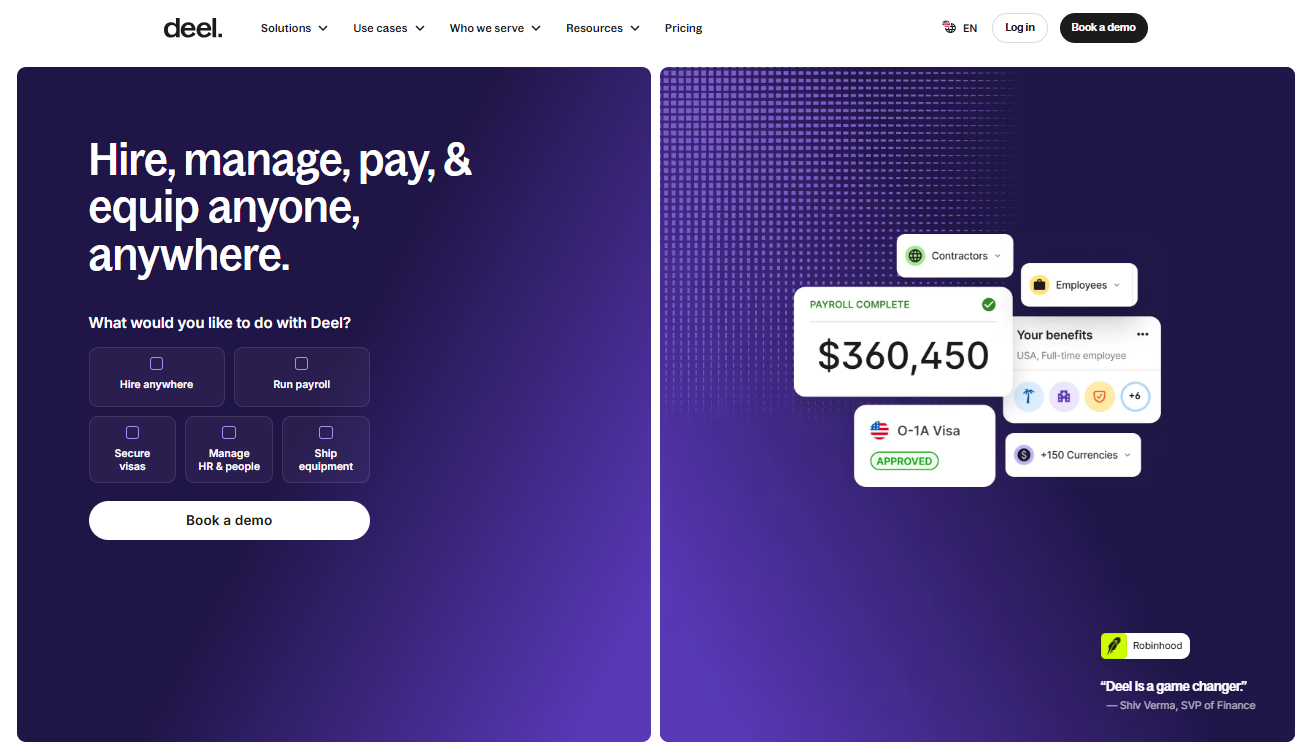
Because when you are hiring a distributed team across ten different countries, ignorance of these fees will absolutely destroy your budget.
If you already know the risks and simply want to streamline your global hiring today, you can explore Deel’s platform right here.
But if you want to protect your margins, keep reading closely.
First, let’s break down the headline numbers that Deel aggressively promotes.
Their contractor management software is incredibly affordable, starting at just $49 per contractor per month.
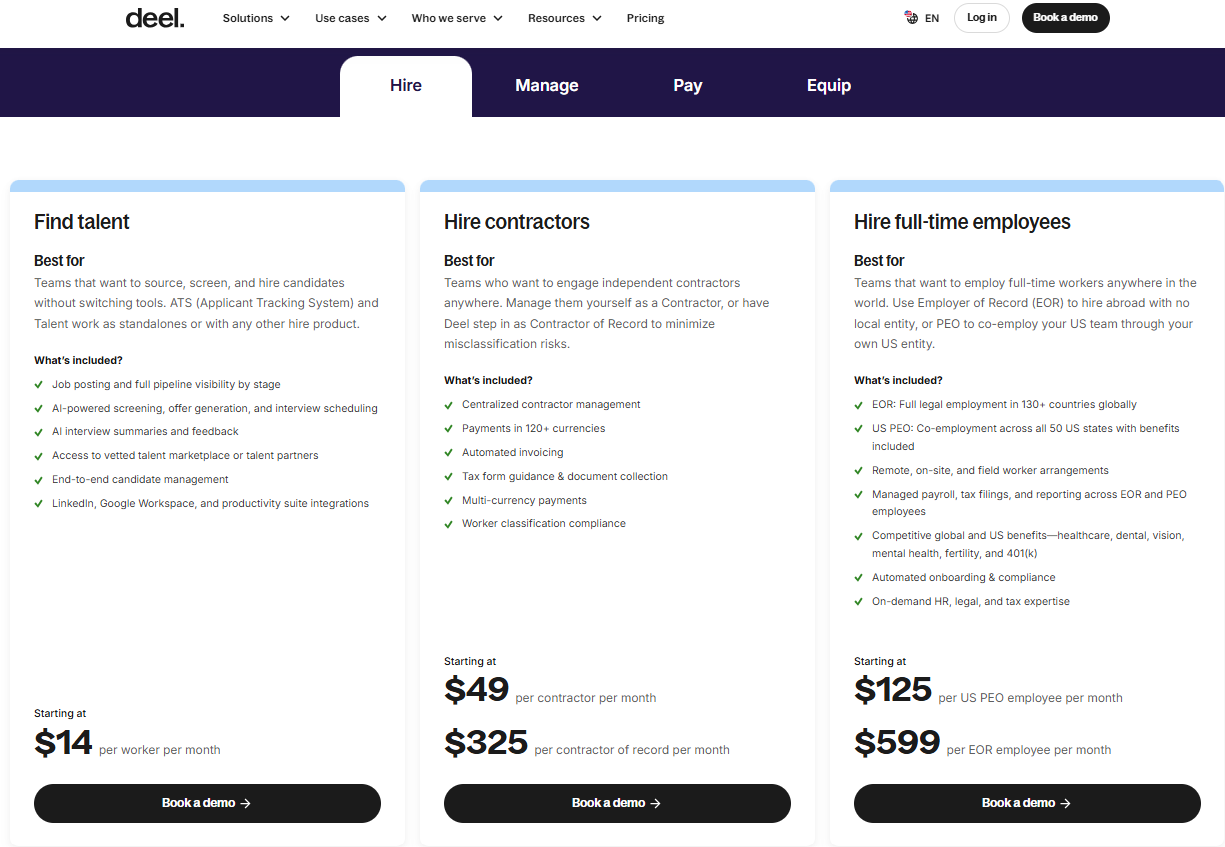
For that price, you get localized contracts, automated invoicing, and the ability to pay people in over 150 countries.
If your workforce is entirely composed of independent freelancers, Deel’s pricing is extremely competitive and largely transparent.
However, the financial pain begins when you transition from hiring contractors to hiring full-time international employees.
This requires their Employer of Record (EOR) service, where Deel technically hires the employee on their local entity on your behalf.
Deel charges a starting rate of $599 per employee per month for this privilege.
Let that number sink in.
If you have a team of five engineers in Europe, you are paying nearly $36,000 a year just in administrative platform fees to Deel.
But wait, because that $599 is just the absolute minimum base fee.
The reality of Deel pricing and hidden fees exposed usually revolves around currency exchange (FX) markups.
When you fund your payroll wallet in US Dollars to pay an employee in British Pounds, Deel executes a currency conversion.
They do not use the mid-market exchange rate you find on Google; they add a margin.
This opaque FX spread can easily add 1% to 2% to your entire international payroll bill every single month.
If you are paying out $100,000, that is a few thousand dollars quietly siphoned out of your bank account.
Furthermore, you are still entirely responsible for the employer taxes mandated by the employee’s country of residence.
If you want to understand how punitive these can be, read our breakdown of the true cost of hiring in the UK.
Deel does not magically reduce these taxes; they simply collect them from you and pay the local government.
Now, let’s look at their pay products specifically.
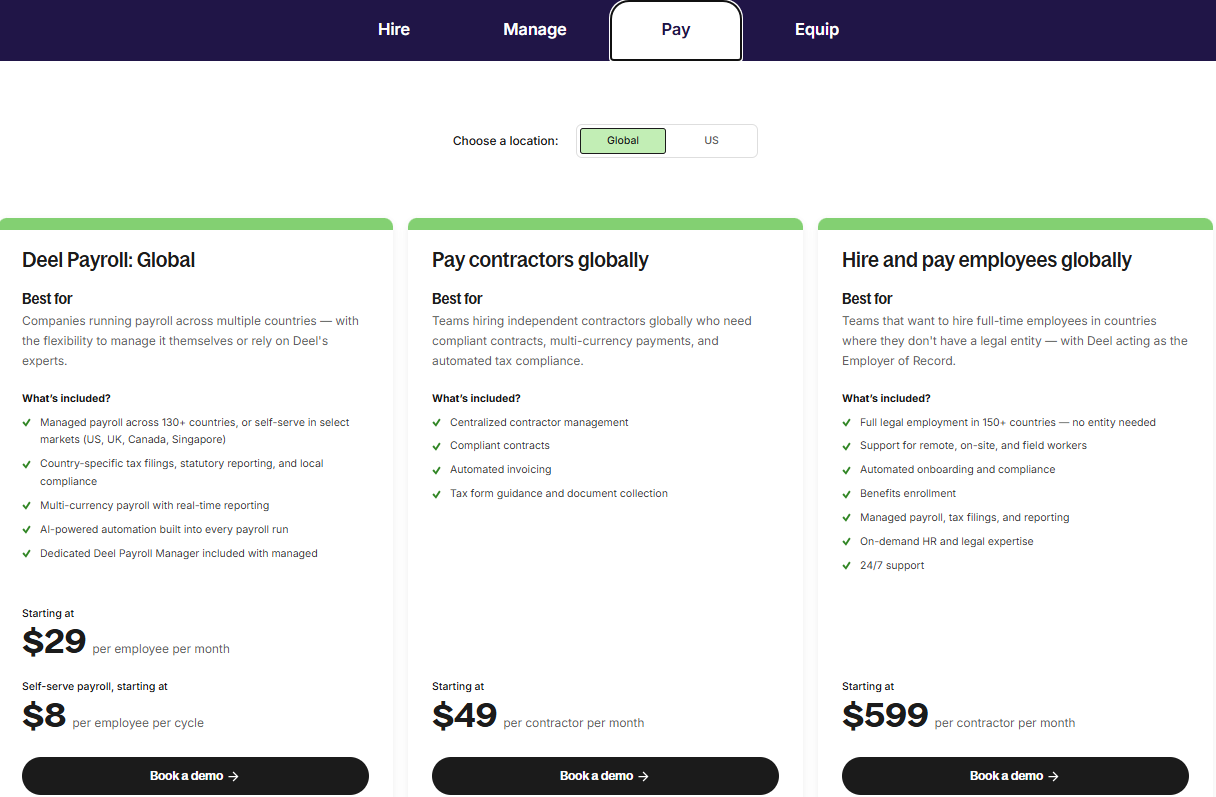
If you just want to use Deel for Global Payroll (where you own the local entity, but they process the payments), the pricing gets highly customized and often scales with your headcount.
This lack of transparency makes it incredibly difficult for a bootstrapped founder to accurately forecast their runway.
So, how does this compare to Remote?
Remote has built their entire brand identity around being the transparent, ethical alternative to legacy EORs.
They heavily promote their “Fair Price Guarantee,” promising no hidden percentages and no predatory FX markups.
Their base EOR fee is often comparable to Deel’s, sometimes slightly lower depending on the specific country.
If you want a deep dive into their feature comparison, check out our full Deel vs Remote 2026 analysis.
But the crucial difference is how Remote handles currency conversion.
By refusing to hide margins in the exchange rate, Remote is almost always cheaper at scale than an EOR that relies on FX spreads.
When you are running a massive global payroll, transparency is not just a marketing buzzword; it is a financial necessity.
However, Deel counters this by offering a far more expansive ecosystem of HR products.
They are building an all-in-one platform for your entire workforce, regardless of classification.
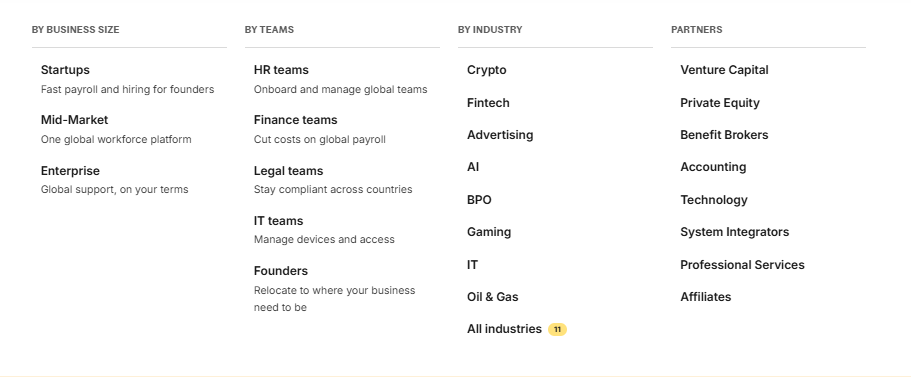
If you are a massive, heavily-funded enterprise that values absolute speed and a unified software stack over ruthless cost-cutting, Deel might still be the right choice.
They have the infrastructure and the partner network to get things done incredibly fast.
But if you are a scrappy startup fighting for survival, those hidden fees are a massive liability.
So, is Remote actually cheaper?
Yes, for the vast majority of small to mid-sized startups, Remote’s transparent pricing model will save you thousands of dollars annually on currency conversions alone.
But Deel remains the undisputed king of speed and ecosystem integrations.
You must weigh the value of that speed against the very real cost of their opaque pricing structure.
Do not sign a global payroll contract blindly.
Protect your runway, demand transparency, and choose the platform that aligns with your financial reality in 2026.
For more in-depth comparisons and software reviews, check out our full EOR Platforms library at Hire Anywhere Hub.
