
Deel vs Remote 2026: Which is Actually Better for Scaling Startups?
If you are a scaling startup trying to figure out the Deel vs Remote debate in 2026, you are probably feeling completely overwhelmed by their aggressive marketing teams.
Both of these massive tech unicorns promise to magically solve all of your global hiring headaches with a few clicks on their beautifully designed platforms.
But when you actually start peeling back the layers of the Deel vs Remote battle, you realize that choosing the wrong Employer of Record (EOR) can destroy your profit margins.
This is not going to be another soft, sponsor-friendly comparison piece that simply copies and pastes features from their respective websites.
I am going to rip apart the Deel vs Remote pricing models, expose their hidden fees, and show you exactly which platform is actually built for your specific stage of growth.
Because when you are dealing with international tax compliance, a minor mistake in your EOR choice can trigger a massive audit from a foreign government.
You need to understand that the Deel vs Remote ecosystem is designed to lock you into their infrastructure, making it incredibly painful to switch later.
If you are just looking for a cheap way to send fifty bucks to a freelancer, neither of these enterprise-grade platforms are the right choice for you.
But if you are heavily funded and absolutely terrified of misclassifying your international workforce, pay very close attention to this Deel vs Remote breakdown.
Before we get into the brutal teardown, you can check out the undisputed market leader by visiting Deel, or look at their biggest challenger over at Remote.com.
Deel vs Remote: Global Compliance & Infrastructure
The core foundation of any Deel vs Remote analysis has to start with their actual legal infrastructure across the globe.
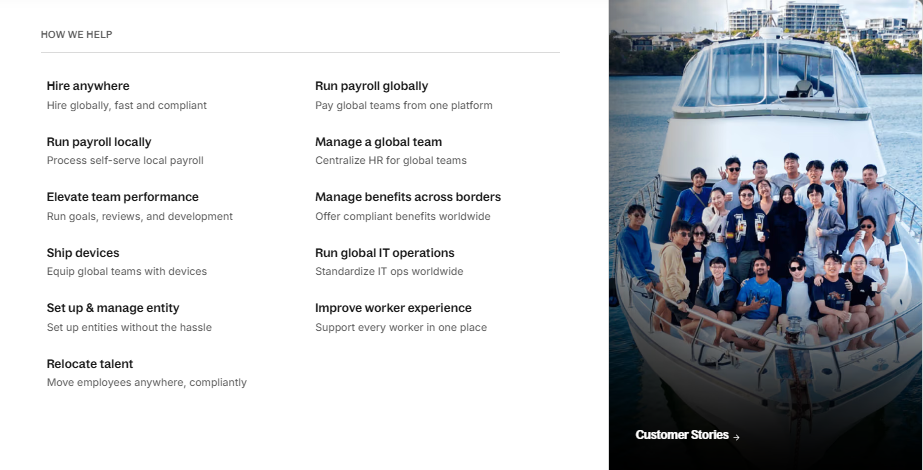
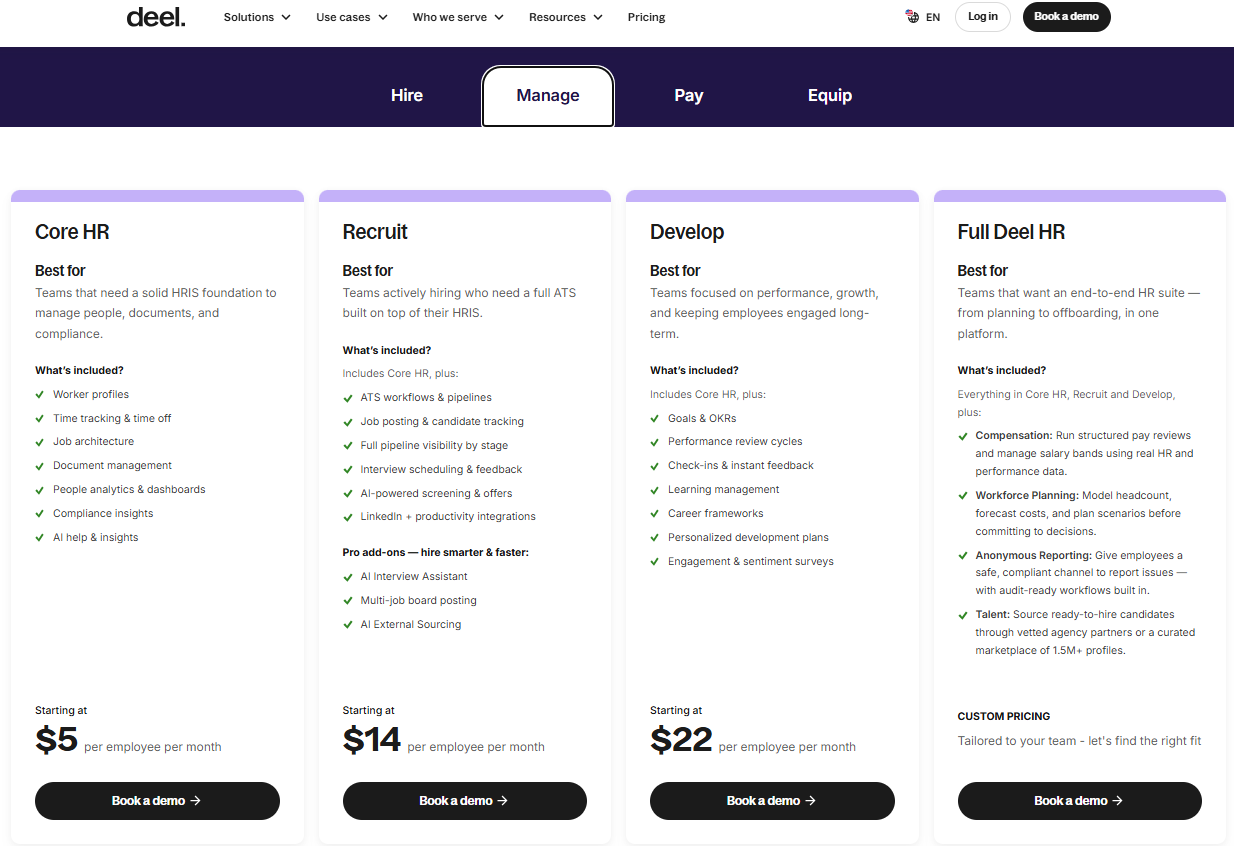
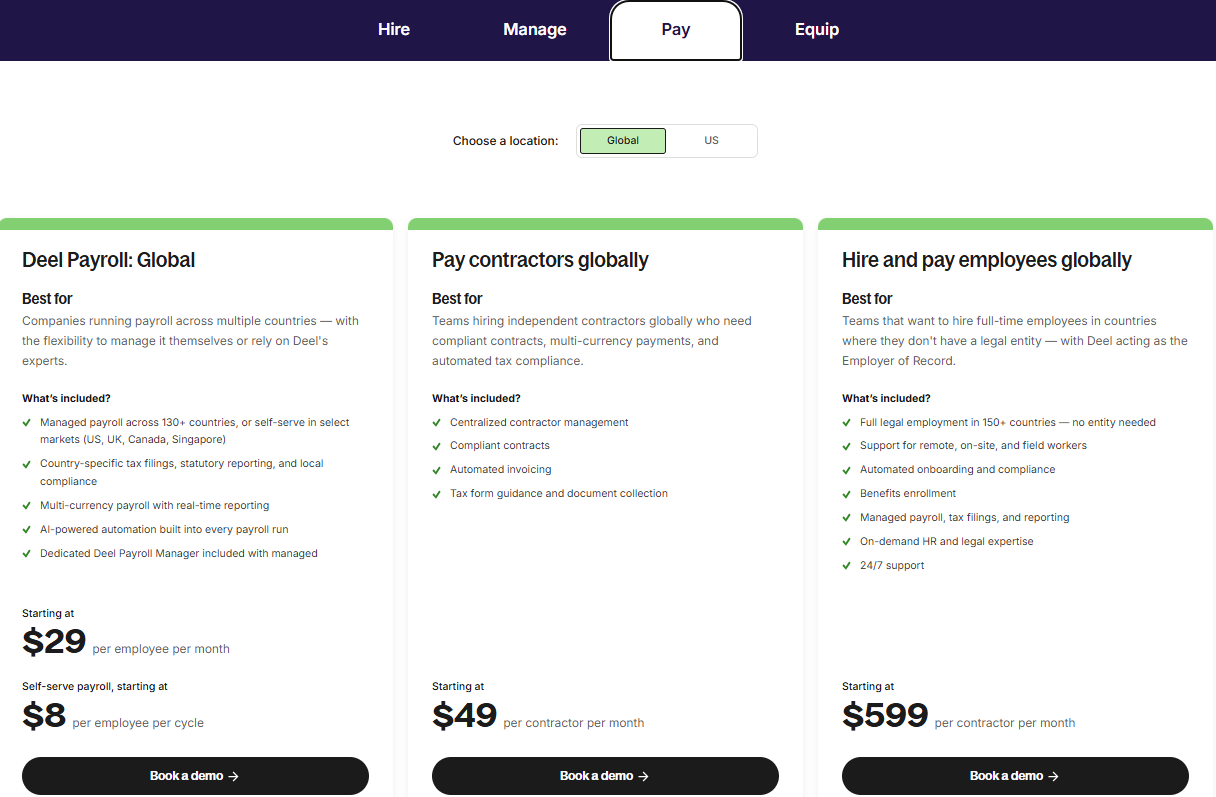
When you pay these companies six hundred dollars a month per employee, you are fundamentally renting their localized legal entities so you do not have to build your own.
In the Deel vs Remote showdown, both companies have aggressively spent hundreds of millions of dollars establishing wholly-owned subsidiaries in dozens of countries.
This is a massive differentiator because it means they do not have to rely on sketchy third-party partners to process your payroll in key markets like the UK or Brazil.
However, when you look closely at the Deel vs Remote country coverage, Deel historically boasts a significantly larger footprint of supported countries.
If your startup is hiring in incredibly obscure or emerging markets, Deel is often the only platform that actually has the legal infrastructure ready to go immediately.
But Remote has caught up dramatically, focusing heavily on owning their entities in the most popular tech hubs rather than spreading themselves too thin.
When evaluating Deel vs Remote for compliance, you also have to look at how they handle the terrifying prospect of contractor misclassification.
Deel offers aggressive protection plans like Deel Shield, which completely assumes the liability of misclassification, but they charge a massive premium for it.
Remote takes a slightly different approach, embedding strict compliance checks directly into their onboarding flow to prevent the misclassification from happening in the first place.
Ultimately, in the Deel vs Remote compliance battle, Deel wins on pure scale and speed, while Remote often feels a bit more meticulous and risk-averse in their legal frameworks.
You have to decide if you want the absolute fastest onboarding possible, or a slightly slower, more deliberate compliance check before you hire that senior developer in Germany.
Deel vs Remote: Pricing Breakdown and Hidden Fees
This is the section where the Deel vs Remote debate becomes incredibly bloody, because global payroll is notorious for completely opaque pricing structures.
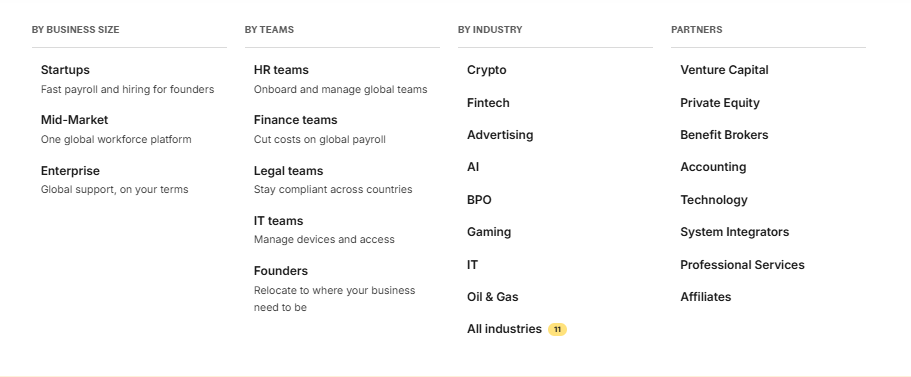
On the surface, the Deel vs Remote base pricing looks almost identical, with both companies hovering around that terrifying five hundred and ninety-nine dollar mark for EOR employees.
But when you actually start running real money through these platforms, the Deel vs Remote cost difference becomes massive due to hidden exchange rate markups.
Deel has a notorious reputation for baking massive, invisible spreads into their currency conversions, quietly extracting value from every single cross-border transaction.
If you are paying ten employees in euros using USD, those Deel exchange rate markups will literally cost you tens of thousands of dollars a year in hidden fees.
Remote, on the other hand, heavily markets themselves as the transparent alternative in the Deel vs Remote pricing war.
Remote promises a flat-rate pricing model with no hidden exchange rate markups, which is an incredibly compelling pitch for cost-conscious startups.
When you model out the total cost of ownership in a Deel vs Remote spreadsheet, Remote consistently comes out significantly cheaper for large teams entirely because of this transparency.
But you also have to factor in the contractor tier when analyzing Deel vs Remote pricing.
Deel charges around forty-nine dollars a month just to manage a contractor, which feels like absolute extortion if that contractor only bills you for five hours of work.
Remote offers a slightly cheaper contractor tier, but it still feels unnecessarily bloated compared to lean competitors like Gusto or Payoneer.
If your entire business model relies on hiring hundreds of cheap independent freelancers, the Deel vs Remote EOR platforms are massive overkill that will destroy your margins.
But if you are forced to choose between the two for full-time global employees, the Deel vs Remote pricing battle is decisively won by Remote’s transparent flat-rate model.
Deel vs Remote: User Experience and Onboarding
When you are fighting for top global talent, the onboarding experience you provide through your HR software is the first impression your new hire gets of your company.
In the Deel vs Remote user experience showdown, both platforms have invested heavily in creating beautifully designed, consumer-grade interfaces.
Deel is ruthlessly optimized for speed, allowing you to generate a localized contract and send an offer letter in literally under five minutes.
The Deel onboarding flow is incredibly slick, guiding the contractor through automated tax form collection and banking detail setup with zero friction.
However, the Deel vs Remote battle gets interesting when you look at the employee’s portal.
Deel offers an incredible variety of withdrawal methods, allowing your team to get paid in local fiat, via PayPal, or even in various cryptocurrencies.
This massive flexibility in the Deel vs Remote withdrawal options is a huge selling point if you are hiring crypto-native engineers in emerging markets.
Remote has a slightly more traditional approach, focusing heavily on ensuring the localized benefits packages are clearly communicated to the new hire.
Remote’s interface feels a bit more like traditional enterprise HR software, prioritizing clarity and legal rigor over raw, blinding speed.
When comparing Deel vs Remote customer support, neither platform is going to win any awards for white-glove service.
Both companies have scaled so fast that their support teams are heavily reliant on chatbots and slow ticketing systems that will infuriate your finance team when a payment gets stuck.
But in the Deel vs Remote UX war, Deel generally feels faster and more modern, while Remote feels slightly more stable and predictable.
If your startup culture is all about moving fast and breaking things, Deel fits your vibe perfectly.
If you are building a mature, deliberate engineering culture that values deep integration of local benefits, Remote provides a slightly better employee experience.
Deel vs Remote: Platform Integrations
You cannot evaluate the Deel vs Remote ecosystem without looking at how these platforms plug into your existing financial stack.
Running global payroll is utterly useless if it takes your accounting team three days to manually reconcile the journal entries in QuickBooks or Xero.
In the Deel vs Remote integration battle, Deel is an absolute monster with a massive marketplace of pre-built connections.
Deel integrates seamlessly with almost every major HRIS, applicant tracking system, and accounting software on the planet.
This means you can trigger a Deel onboarding flow directly from a lever or greenhouse offer acceptance without double-entering any data.
Remote also has a strong API and a solid list of native integrations, but their ecosystem is simply not as vast as Deel’s massive partner network.
If your startup relies on a highly complex, automated web of SaaS tools to operate, the Deel vs Remote integration advantage heavily favors Deel.
Deel’s open API allows your engineering team to build custom internal dashboards that pull payroll data seamlessly, which is critical for heavily funded startups.
Remote is rapidly catching up, but when you look at the raw number of turnkey integrations in the Deel vs Remote comparison, Deel has a multi-year head start.
You must audit your current tech stack before making a decision, because a missing integration in either Deel vs Remote will cost you hundreds of hours in manual data entry.
Final Conclusion: Which is Better?
The final verdict on the Deel vs Remote debate ultimately comes down to your company’s funding status and your tolerance for hidden fees.
If you just raised a massive Series B, you are hiring aggressively in forty different countries, and you do not care about burning cash on exchange rate spreads, you should choose Deel.
Deel is the undisputed king of speed, scale, and integrations, and they will allow you to build a global empire faster than anyone else.
You can lock in their platform right now by visiting Deel.
However, if you are a highly analytical founder who actually cares about profit margins and absolute transparency in your operational costs, Remote is the superior choice.
The flat-rate pricing model of Remote will save you tens of thousands of dollars over the lifetime of your company simply by eliminating the predatory currency exchange markups.
You can explore their transparent pricing model by checking out Remote.com.
The Deel vs Remote battle proves that global payroll is no longer an impossible barrier for small startups, but it is still an incredibly expensive luxury.
Choose the one that aligns with your financial philosophy, because migrating between them later will be the worst operational nightmare of your life.

[…] For a deeper dive into the risks of remote compliance, you should probably check out our heavily researched guide on Deel vs Remote 2026: Which is Actually Better for Scaling Startups?. […]
[…] fact, if you want to see how Gusto compares to the giants of global payroll, check out our Deel vs Remote 2026 […]